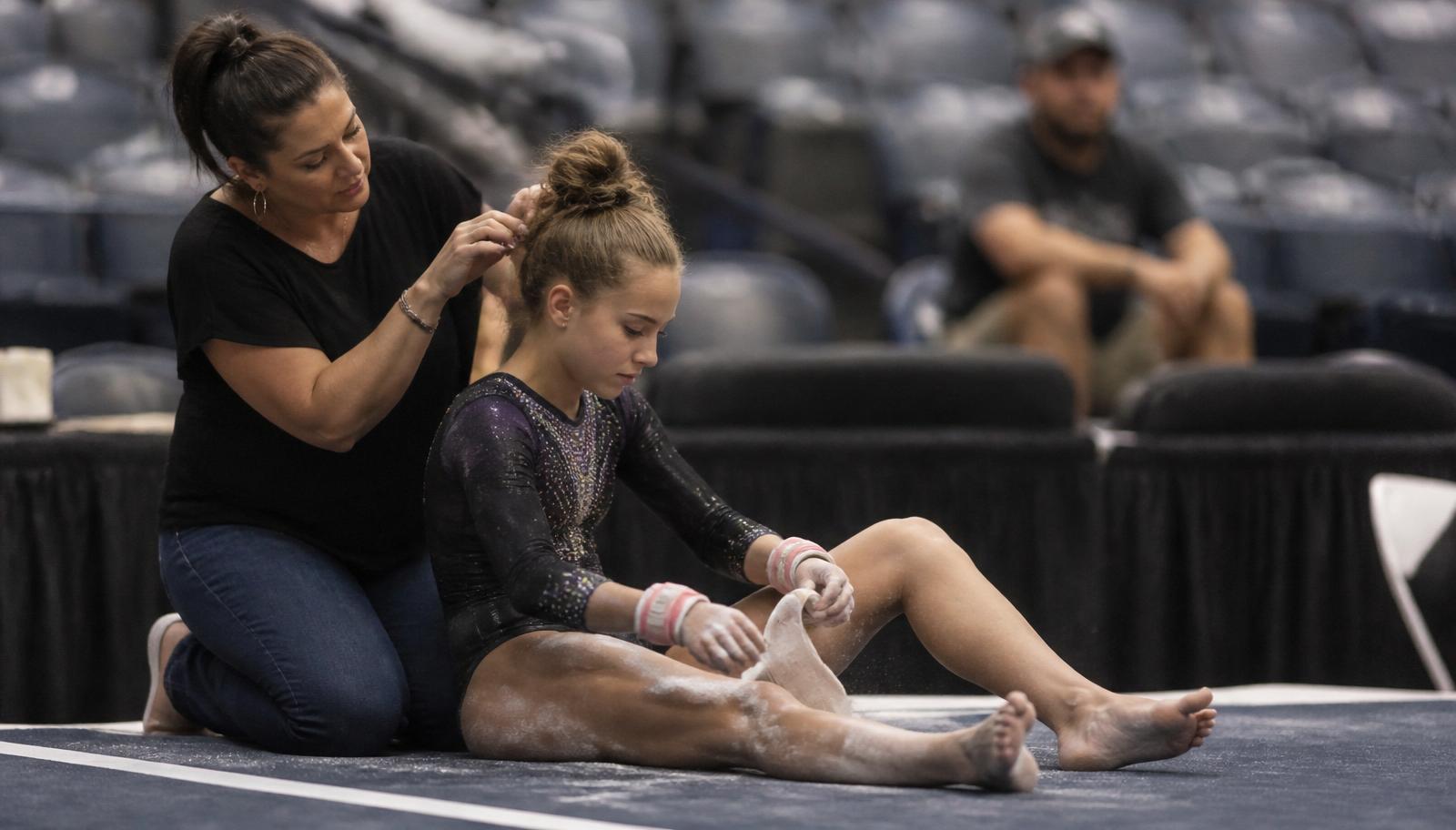
If you have a serious young athlete in your family, you already know the shape of the problem. The financial demands of a competitive junior career — coaching, kit, travel, physio, competition fees, camps — do not fit neatly into a single family's budget. They pile up. And the money conversations that follow are exhausting for everyone.
This post is for the people around that athlete: parents, grandparents, aunts, uncles, godparents, longtime family friends. If you have ever wanted to help in a real, ongoing way without making it awkward, this is a practical guide to how ralli was designed to make that possible.
The problem with the current model
In most families with a serious young athlete, the funding story looks something like this:
- One parent picks up most of the direct costs
- The other parent picks up the rest, or covers the "invisible" costs (time, driving, food)
- Grandparents chip in at Christmas or birthdays, often via awkwardly transferred cash or a card with a cheque inside
- Extended family and friends occasionally ask "is there anything we can do to help?" and get the polite deflection ("no no, we're fine, thanks so much though") because the alternative — a specific cash request — feels too close to asking for a handout
The result is that the entire financial burden compresses down onto one or two people, while a much wider circle of people who genuinely want to help never quite get the invitation.
Why the ask is so hard
Asking family for money — even for a legitimate cause like a child's sporting career — carries a lot of baggage:
- It changes the dynamic. "Thanks for the Christmas cheque" is easy. "Can you send $500 for the training camp" is not.
- It is one-off and awkward. There is no comfortable structure — every request is a fresh negotiation.
- It creates uneven obligation. If Grandma sent $200 last year, do you ask again this year? Do you thank her differently?
- The giver has no reference point. Is $50 helpful? $500? What is the "right" amount?
So the ask does not happen. And the athlete's parents shoulder more than they should.
What ralli changes
ralli reframes the whole conversation. Instead of one-off cash asks, family members become backers: they take out a monthly membership and allocate their Credits to your athlete each month.
That single change fixes almost every awkward part of the current model:
- It is a structured, small monthly commitment — starting at $25/month, not a lump sum
- The giver gets something back — real ralli Rewards™ they can redeem in the Vault, plus milestone payouts when your athlete succeeds
- It never feels like charity — because there is a rewards mechanism attached, it feels like membership in something, not writing a cheque
- The athlete does not have to ask — their profile is public; family just visits the page and joins
- The load is genuinely distributed — eight family members at $25/month is $200 landing in your athlete's funding pool every single month, indefinitely
How to start the conversation
The hardest part of the switch is often the first message to family. Here is the template we see work:
"Hi — [athlete] has been accepted on to a platform called ralli. It's designed for families and supporters to back young athletes with a small monthly membership. It's $25/month, and you get points for real rewards in return, plus updates from [athlete] every week. If you've been wondering how to help, this is the easiest way. Link: [profile URL]. No pressure — just wanted you to know it exists."
Short, low-pressure, no direct ask for a specific amount, no guilt trip. Family members opt in when they're ready.
The rewards angle actually matters
It sounds counterintuitive, but the Vault — the rewards side of ralli — is often what turns a hesitant family member into a committed backer. Not because $25/month buys them anything they couldn't afford otherwise, but because the exchange feels balanced.
Aunt Deb gets to feel like she is backing her great-niece's tennis career and she gets a nice ralli merino zip-up in the mail six months later, plus a genuine payout when her niece makes the state squad. The transaction feels reciprocal, not one-sided. That reciprocity is what makes monthly backing sustainable in a family context.
Grandparents especially
Grandparents are the single most under-tapped group in junior sport funding. They love the athlete. They usually have some disposable income. They almost always want to help. And they almost never get asked in a structured way.
ralli is grandparent-friendly by design: the signup takes five minutes, monthly billing means no awkward periodic asks, the athlete's weekly updates give them something real to talk about at Sunday dinner, and the Vault items make thoughtful onward gifts (that ralli tee can end up as a birthday present for someone else in the family).
For under-18 athletes: the guardian layer
Every ralli athlete under 18 operates through a Guardian-Managed Account, held by a parent or legal guardian. That means funding that comes into the athlete's pool is paid out to the guardian's bank account — not the child's — and the guardian countersigns every milestone claim.
For extended family backing a niece or nephew, this matters practically: the money reaches the parents (who are typically fronting the costs anyway), which is exactly the intended flow. Grandma's $25/month lands in the family's athlete-funding account, not in a bank account belonging to a 14-year-old.
The awkward money conversation, retired
The version of this that we hear most often, and that always makes us happiest, goes something like: "My mum has been asking every year at Christmas if she can help with [athlete]'s costs. I never knew how to answer without it feeling weird. Now I just send her the ralli link and she's a backer. It's the first time the whole thing hasn't felt awkward."
That is the whole point.
A quick checklist for families
- Ask your athlete (or their parents) to apply to ralli
- Once approved, share the athlete's profile link with your wider family via a group message
- Include a short explanation of what ralli is — feel free to adapt the template above
- Do not pressure anyone. Let people opt in on their own timeline.
- The athlete writes weekly updates that go straight to backers' feeds — encourage them to do this. It is what makes the whole thing feel real.
The distributed model is not just easier on the parents. It is easier on everyone. And it turns backing a young athlete from a one-off, awkward conversation into a shared, ongoing story that a whole family can be part of.
Related reading
- Why become a ralli member — and how it actually works
- Why join ralli as an athlete — and how it actually works
- Where your money actually goes — a transparent breakdown
- Milestones & ARP explained
- Inside the ralli Vault — how rewards actually work
Ready to get involved? Apply as an athlete or become a member and start backing the athletes you believe in. Learn more about how ralli works and our transparency commitments.