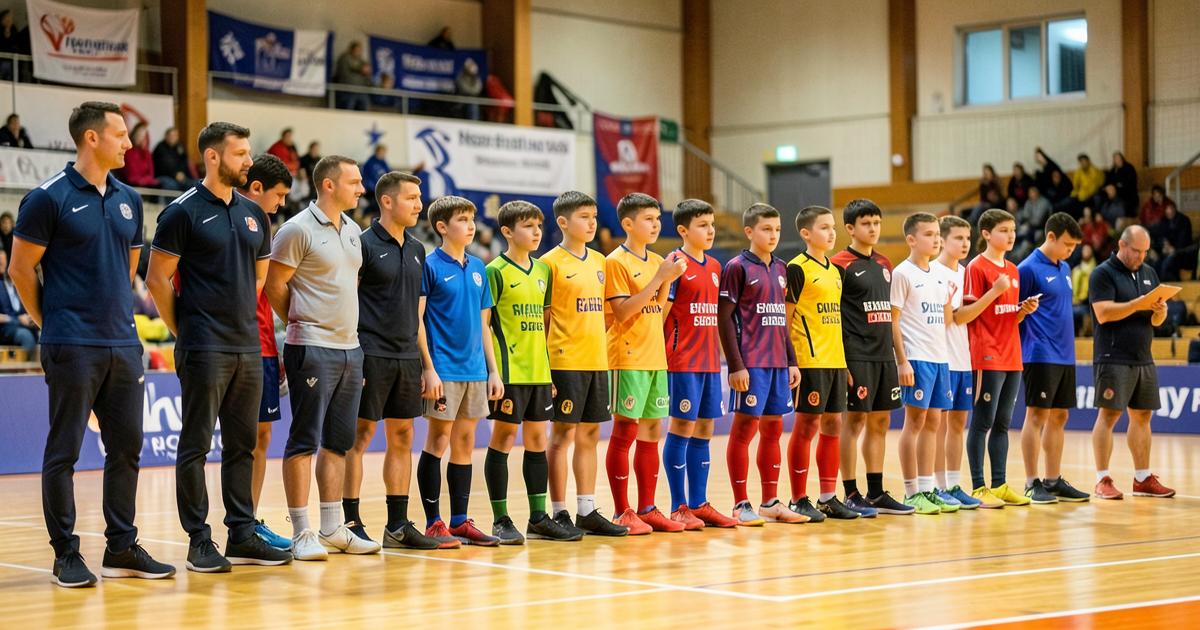
Federations do not have a talent problem. They have a survival problem — specifically, the survival of athletes through the years where costs rise faster than support. High-performance funding arrives once an athlete is already good enough to be seen. Grassroots funding stops long before that. The gap in between is where a federation loses people it has spent a decade developing. A ralli membership is a mechanism for funding that gap, in public, at scale.
The pathway gap, in plain numbers
A junior competing nationally will typically absorb travel, accommodation, coaching, equipment and entry fees across a season. Almost none of that is covered by carded or centralised funding until they reach a senior squad. Families carry it. When a family cannot, the athlete is quietly reclassified as "not committed" and the federation records a drop-out it never really understood.
Federations know this. What they usually lack is a funding vehicle that does not require a new grant round, a new sponsor, or a new headcount to administer it.
What a federation membership looks like
The federation holds a ralli membership and receives monthly credits, which it allocates across pathway athletes registered on the platform. Athletes apply and are verified individually, hold their own profile and wallet, and receive funds against verified milestones.
The federation is a backer with a portfolio — not a payments administrator. That distinction protects the federation from the compliance load that normally makes direct athlete funding unattractive.
Allocation strategies that work
- Squad-wide, thin: a small monthly amount to every athlete in a development squad, signalling that selection carries real support
- Targeted, deep: meaningful backing for a small group facing a defined campaign cost, such as an international qualifier
- Matched: the federation matches what an athlete’s own community raises, turning federation money into a multiplier rather than a substitute
The matched approach is the most powerful and the least used. It rewards athletes who build their own backer base — see your first five backers — and stretches a fixed budget considerably further.
Emotive value: what funding actually signals
A federation email confirming selection is a status. A federation that backs the athlete financially is a relationship. Athletes remember, precisely and for a very long time, who helped when it was hard.
There is a retention argument and a reputational one. Athletes who feel supported stay in the pathway longer and speak well of the governing body afterwards. Federations are more often criticised for distance than for decisions; visible, individual backing is the most direct answer to that criticism available.
There is also a participation effect. When a twelve-year-old in a regional club can see that the national body backs athletes two steps ahead of them, the pathway stops being an abstraction on a strategy document.
Tracking progress across a whole squad
Every athlete a federation backs carries a verified milestone record: personal bests, selections, results, and campaign outcomes, each supported by evidence before it is recognised. Milestones drive both recognition and the release of pooled funding, so the record is maintained because it matters, not because someone chases a form.
For a federation this produces something rare — a longitudinal, athlete-level view of pathway progress that is not dependent on regional reporting. Useful at board level, useful in a funding submission, and considerably more honest than a participation number.
The federation membership dashboard: regional rosters, verified milestones and impact reporting across the pipeline.