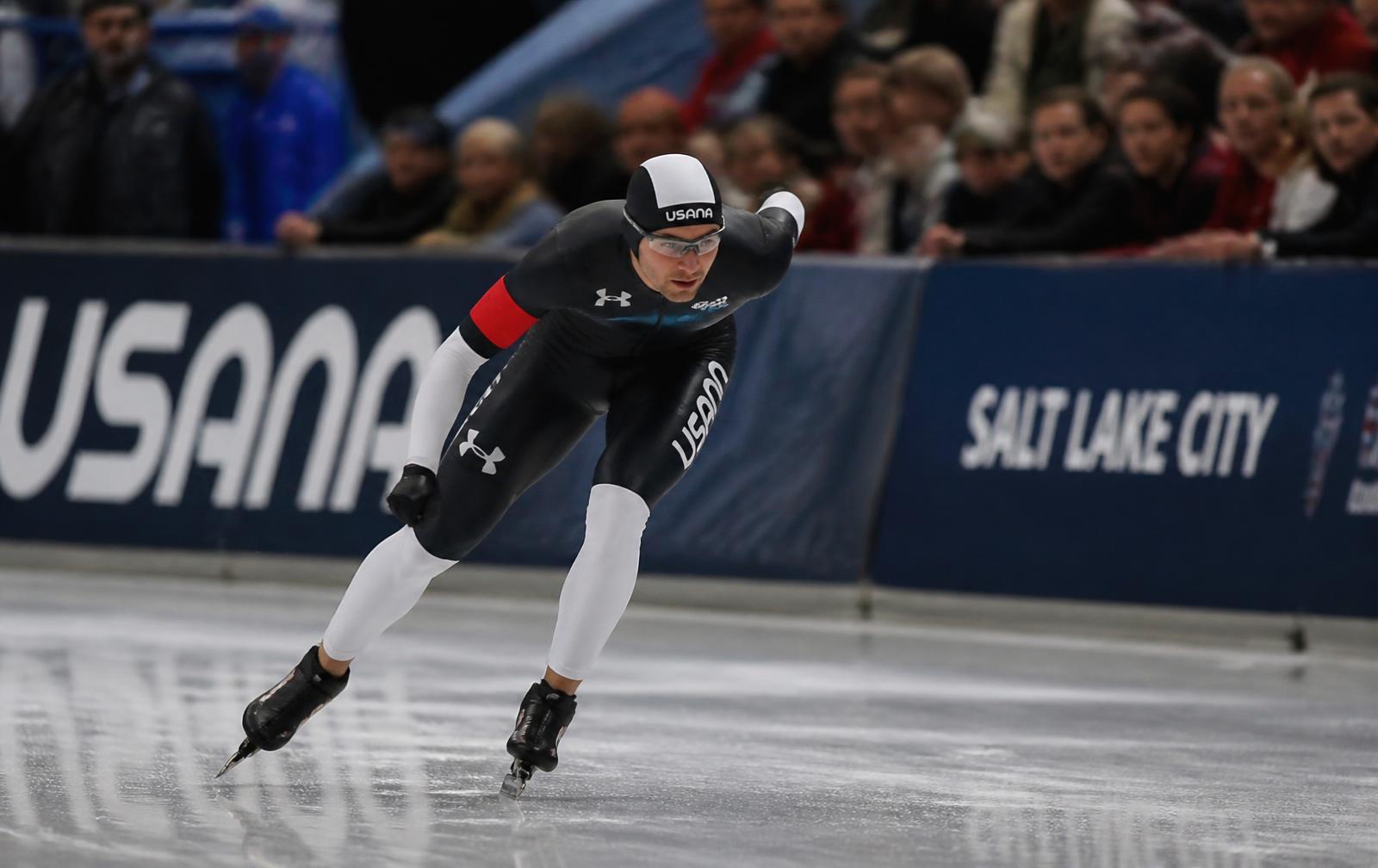
Talent gets you noticed. Funding is what keeps you in the sport. Every amateur athlete, from a 14-year-old swimmer to a 26-year-old cyclist chasing a national team spot, hits the same problem: the pathway costs money, and most of it comes out of your own pocket before anyone offers you a cent.
This guide walks through every serious funding source available to amateur athletes today — how each one works, what it actually pays, and how to combine them into a realistic plan.
Why funding is the single biggest barrier in amateur sport
Coaching, travel, entry fees, equipment, physio, nutrition, and time off work quietly add up to $8,000–$40,000 a year depending on your sport. The athletes who make it are rarely the most talented — they are the ones who solved the money problem early enough to keep training when their peers had to stop.
1. National governing body and federation grants
Most sports have a national federation that funnels a small pot of money to athletes who hit specific ranking or performance criteria. These grants are meaningful when you get one, but two things are true: the criteria are narrow, and the money almost never covers a full season. Treat federation funding as a supplement, not a plan.
2. Private and corporate sponsorship
Traditional sponsorship — a brand pays you cash or gear in exchange for exposure — is still the biggest pot of money in sport. It also skews heavily to a small number of already-visible athletes. If you have under 10,000 engaged followers and no televised results, direct brand sponsorship is unlikely to be your main income for a long time. What does work at the amateur level is local businesses: a physio clinic, a gym, a family-run kit brand, a hometown restaurant. Small, real, renewable.
3. Traditional crowdfunding campaigns
Platforms like GoFundMe and Kickstarter can raise a one-off amount fast if your story travels. The problem is that they are one-off by design. You raise, you spend, and six months later you are back at zero with a smaller audience willing to give a second time. Great for a specific goal — a World Championship trip, a bike replacement. Not great as an income model.
4. Fan-backed monthly funding (the ralli model)
This is the newest category and the fastest-growing. Instead of one-off donations, fans become paying members who back you month after month in exchange for a genuine relationship: behind-the-scenes updates, milestone rewards, meet-and-greets, signed gear. It comdollars. Twenty backers at $49 a month is $11,760 a year of predictable income — enough to change what training looks like.
5. Prize money and appearance fees
Real in some sports (tennis, golf, running, cycling road racing), almost non-existent in others. Know the honest number for your sport before you build a plan around it.
6. Part-time work and academic scholarships
Unglamorous but stable. A part-time coaching job in your own sport is often the best income source at 18–22 because it also builds your name in the community you will one day fundraise from.
How to combine them into a realistic plan
The athletes who fund a full career almost never rely on one source. A working example for a 20-year-old middle-distance runner:
- Federation grant: $1,500/year
- Two local sponsors (physio + kit): $2,000/year
- ralli fan-backed membership (20 backers at $49/mo): $11,760/year
- Coaching junior athletes 6 hrs/week: $4,000/year
That is $19,260 a year — not a salary, but enough to cover training, travel, and stay full-time in the sport without begging parents every month.
Start with the funding source that comdollars
Grants are lumpy. Sponsors are transactional. One-off crowdfunds decay. The only source that gets stronger every month you show up is a real, recurring backer community. Build that first, and the rest becomes easier — brands sponsor athletes who already have an audience, not the other way around.
If you are ready to build one, apply to join ralli — we handle the platform, payouts, and rewards; you focus on training.
Keep exploring
Ready to put this into action? Learn how ralli works, browse athletes currently raising, or if you're an athlete yourself, apply to join ralli. Backers can start supporting an athlete for less than the cost of a takeaway meal by becoming a member from $25/month.